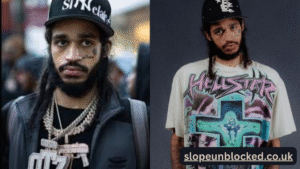
Introduction to Taylor Breesey Face Curiosity
The search term “Taylor Breesey face” has become one of those modern internet curiosities that spreads quietly but widely across social platforms and search engines. People often encounter a creator or name through short-form videos, clips, or reposts, and then immediately turn to search engines to find more visual or personal details. In this case, the focus on “face” reflects a broader trend of online audiences wanting to connect a digital persona with a real-world identity.
This kind of search behavior is not unusual in today’s content-driven environment. Social media platforms prioritize visuals, short videos, and curated aesthetics, which naturally leads audiences to become curious about the person behind the content. When a creator like Taylor Breesey appears in these spaces, viewers may start searching for more personal or unfiltered perspectives, including appearance-related queries.
However, it’s important to understand that such curiosity often says more about internet culture than it does about the individual being searched. The phrase “Taylor Breesey face” is less about a specific event and more about how audiences interact with influencers and online personalities. It reflects a pattern where visibility creates demand for deeper personal details, even when the creator has not intentionally shared them.
Who is Taylor Breesey in Online Spaces
Taylor Breesey is a name that circulates in social media conversations, typically associated with content creation and online presence. Like many modern digital personalities, her visibility is shaped through platforms where short-form content, lifestyle posts, or curated visuals play a central role. This creates an environment where audiences feel familiarity even without personal connection.
In many cases, creators build their presence through selective sharing, which means not every aspect of their life or identity is publicly visible. This selective visibility is normal in the influencer space, where individuals decide how much of their personal world they want to share. As a result, viewers often fill in the gaps with curiosity, especially about appearance or personal background.
The interest in Taylor Breesey’s face specifically highlights how audiences tend to focus on physical identity when engaging with online personalities. Even when creators are known for content beyond appearance, viewers often anchor their curiosity on visual representation. This is less about the individual and more about how digital culture prioritizes imagery as a primary form of connection.
Why “Face” Becomes a Search Trend
The inclusion of the word “face” in search queries is part of a broader internet behavior pattern. When people encounter a name repeatedly without full context, they often try to attach a visual identity to it. Searching for someone’s face becomes a way of resolving curiosity and creating a complete mental image of the person behind the content.
In the case of Taylor Breesey, this type of search may have been amplified by algorithm-driven platforms. When content appears in fragments—such as clips without full introductions—users may not immediately know who the creator is. This leads them to search directly, often focusing on visual confirmation rather than background information.
Additionally, search trends involving “face” often emerge from social sharing loops. One user asks, others repeat the query, and soon the phrase becomes a trending search term. This cycle is less about verified information and more about collective curiosity shaping search engine behavior.
Digital Identity and Curated Appearance
In the modern creator economy, digital identity is often carefully curated. Influencers and content creators choose how they appear, what they share, and what remains private. This curation is not deception; rather, it is a normal part of managing an online presence in a highly visual environment.
When people search for something like “Taylor Breesey face,” they are often seeking a version of identity that feels more “complete” than what is presented online. However, what is seen on social media is already a constructed version of reality, shaped by lighting, editing, angles, and personal choice. Every creator participates in some form of curation.
This distinction between public persona and private reality is important. A face shown online is not necessarily the full representation of a person’s everyday appearance or identity. Instead, it is one aspect of a broader digital expression. Understanding this helps contextualize why such searches exist in the first place.
Social Media Filters and Perception
Filters and editing tools have become deeply embedded in how people present themselves online. These tools can subtly or dramatically alter appearance, shaping how audiences perceive creators. As a result, viewers may become curious about what someone looks like outside of these enhancements.
When applied to searches like “Taylor Breesey face,” this curiosity often stems from uncertainty about authenticity. People want to reconcile the polished version they see online with a more natural or unedited appearance. This does not necessarily imply suspicion; rather, it reflects how normalized digital enhancement has become.
It is also important to note that filters are not inherently misleading. They are creative tools used by millions of users daily. However, they do contribute to a layered perception of identity, where the “real” appearance of a creator becomes less immediately visible, prompting further searches and speculation.
Privacy Choices of Content Creators
Not every creator chooses to display their full identity publicly, and that includes detailed visual exposure. Some prefer to maintain boundaries between their personal life and online presence. This decision can be motivated by privacy concerns, safety considerations, or simply personal comfort.
In the context of Taylor Breesey, searches related to her face may reflect this boundary. When creators limit certain types of exposure, audiences often become more curious, not less. The absence of full visibility can sometimes increase attention rather than reduce it.
Respecting these boundaries is an essential part of modern digital culture. While curiosity is natural, creators are not obligated to share every aspect of their appearance or identity. The balance between public interest and personal privacy is something every influencer navigates differently.
Internet Speculation and Rumor Culture

Online spaces are often fueled by speculation, especially when information is incomplete or fragmented. When people search for terms like “Taylor Breesey face,” it can sometimes lead to threads, discussions, or posts that attempt to fill in gaps with assumptions rather than verified facts.
This rumor-driven cycle is common across many online personalities. A lack of official or comprehensive information often leads users to rely on secondhand interpretations. Over time, these interpretations can evolve into widely repeated narratives, regardless of accuracy.
It is important to approach such content critically. Not everything circulating online is grounded in confirmed information. In many cases, speculation grows faster than factual clarification, especially when it involves visual identity or personal appearance.
Role of Algorithms in Viral Searches
Search engines and social media algorithms play a significant role in amplifying curiosity-driven queries. When enough users search for a phrase like “Taylor Breesey face,” the algorithm may begin suggesting it more frequently to others, further increasing visibility.
This feedback loop can make a relatively small curiosity appear like a major trend. In reality, it is often just repeated engagement rather than a widespread phenomenon. Algorithms are designed to respond to user behavior, not necessarily to evaluate the importance or accuracy of that behavior.
As a result, even niche searches can gain momentum quickly. Once a query becomes associated with trending suggestions, it attracts even more attention, reinforcing its visibility across platforms.
Ethics of Searching Personal Appearance
There is a growing conversation about the ethics of searching for and discussing someone’s appearance online. While curiosity is natural, focusing heavily on physical features can sometimes cross into uncomfortable territory, especially when the individual has not invited such scrutiny.
In the case of Taylor Breesey, searches about her face highlight this ethical gray area. On one hand, public figures are often subject to curiosity. On the other hand, they are still entitled to boundaries regarding how their appearance is discussed and circulated.
A more balanced approach involves recognizing the difference between public content and private identity. Not all aspects of a creator’s life or appearance are meant for public analysis, and respecting that distinction helps maintain a healthier online environment.
Impact on Creators and Audience Expectations
Creators often experience pressure to meet audience expectations regarding visibility and appearance. When search terms like “Taylor Breesey face” circulate, it can unintentionally reinforce the idea that audiences are entitled to full visual access.
This expectation can be challenging for individuals who prefer to maintain selective privacy. The demand for more personal exposure can influence how creators present themselves, sometimes pushing them toward greater transparency than they originally intended.
At the same time, audiences may not always realize the impact of their curiosity. What feels like a simple search can contribute to broader patterns of pressure within the creator economy. Understanding this dynamic helps contextualize the human side of online visibility.
How Misinformation Spreads Around Faces and Identity
Misinformation can spread quickly when it involves appearance or identity. Images may be misattributed, edited, or taken out of context, leading to confusion about what is accurate. This is especially common when people are actively searching for visual confirmation.
With terms like “Taylor Breesey face,” there is always a risk that unrelated or misleading images could circulate. Once such content spreads, it can be difficult to correct, even if the original information was inaccurate or incomplete.
This highlights the importance of verifying sources before accepting visual information as fact. In the digital space, images are not always what they seem, and identity can easily be misrepresented.
Psychological Reasons People Search Appearance
There is a psychological component to why people search for someone’s face online. Humans naturally seek visual context when learning about a person. Seeing a face helps create familiarity and strengthens memory association.
In digital environments, this instinct becomes even stronger because interactions are often fragmented. When someone encounters a creator through short clips or reposts, they may feel an incomplete sense of understanding. Searching for appearance helps fill that gap.
This behavior is not unique to Taylor Breesey or any single individual. It is part of how human cognition processes identity, especially in environments where visual cues dominate communication.
Responsible Consumption of Online Content
Being mindful of how we consume online content is increasingly important. While curiosity drives engagement, it is also necessary to recognize the boundaries of privacy and respect. Not every detail about a creator needs to be searched or analyzed.
In the context of searches like “Taylor Breesey face,” responsible consumption means understanding that what is available online is often curated or limited by choice. It also means acknowledging that not all information needs to be pursued in depth.
A healthier approach involves focusing on the content creators choose to share rather than seeking out additional personal details. This supports a more respectful and sustainable digital environment for both audiences and creators.
Conclusion
The interest in “Taylor Breesey face” reflects a broader pattern in modern internet culture where visual identity becomes a central point of curiosity. This curiosity is shaped by algorithms, social media design, and human psychology, all of which encourage users to seek more complete images of the people they encounter online.
At the same time, it is important to recognize the role of privacy, personal boundaries, and digital curation. What appears online is often only a partial representation of reality, shaped by choice and context. Understanding this helps create a more balanced perspective on why such searches trend in the first place.
Ultimately, the conversation is less about a single individual and more about how audiences interact with online identities in general. As digital spaces continue to evolve, so too will the ways people search for, interpret, and relate to creators they encounter.
FAQs
What does “Taylor Breesey face” mean in search trends?
It generally refers to people searching for visual information or appearance-related content about Taylor Breesey online.
Why do people search for influencers’ faces?
Because audiences naturally want to connect a visual identity to the creators they see on social media.
Is all online appearance content accurate?
Not always, as images may be edited, filtered, or taken out of context.
Do creators have to share their full appearance online?
No, creators choose how much of their identity they want to share publicly.
Why do search trends about faces go viral?
They spread through repeated user interest and algorithm-driven suggestions.
Also Read: James Morrison Net Worth: A Deep Dive Into the Singer’s Wealth, Career, and Earnings