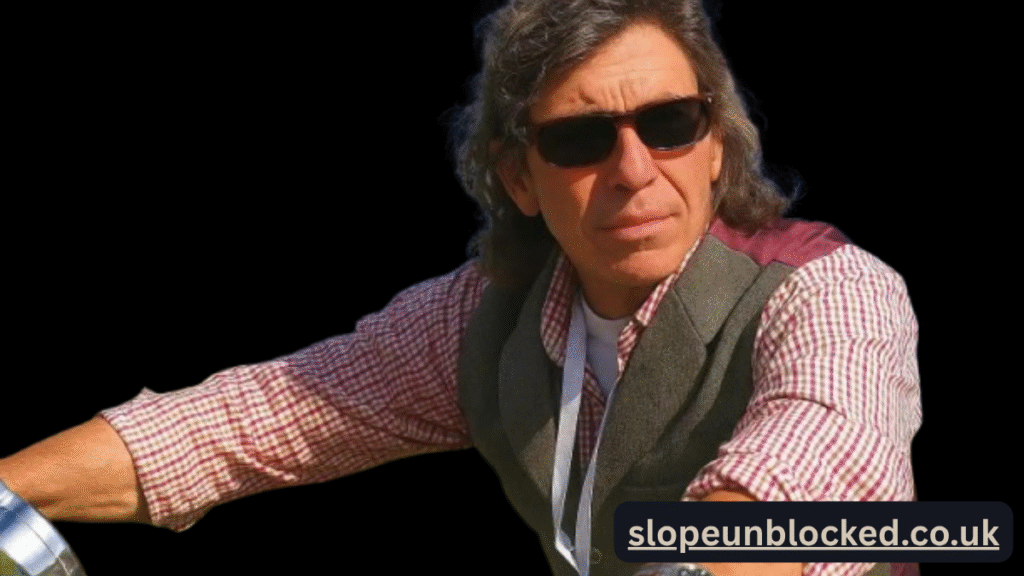
Guy Willison is one of those names that tends to circulate quietly in mainstream conversation but carries serious weight in the custom motorcycle world. He isn’t the loudest voice in the room, nor the most commercially overexposed figure, but within the biking community and especially among custom builders, his influence is both respected and deeply felt. Over the years, he has carved out a reputation as a craftsman first, media personality second, and entrepreneur somewhere in between, which is probably why his work feels so authentic compared to many others in the same space.
What makes Willison particularly interesting is how naturally he blends engineering discipline with artistic instinct. He doesn’t treat motorcycles as mere machines or purely aesthetic objects; instead, he approaches them like living systems where form and function must coexist without compromise. This mindset has allowed him to create builds that are not just visually striking but also genuinely rideable, which is something many custom builders struggle to balance.
In a world where motorcycle customization is often split between extreme showpieces and practical daily riders, Willison’s work sits comfortably in the middle. That balance is part of why he gained attention through television and later through his bespoke motorcycle projects. His presence in shows alongside other well-known motorcycle personalities helped introduce him to a wider audience, but his craftsmanship is what kept people paying attention long after the cameras stopped rolling.
Early Life, Mechanical Curiosity, and Foundations of Craft
Guy Willison’s early life is often described through the lens of mechanical curiosity rather than formal academic achievement. From a young age, he showed a fascination with how things worked, particularly engines and mechanical systems. This curiosity wasn’t just passive interest; it was hands-on experimentation, the kind that often involves taking things apart just to understand how they fit together and function as a whole.
Growing up around machines and mechanical environments helped shape his understanding of engineering long before he ever stepped into a professional workshop. Unlike many designers who enter the motorcycle industry through formal design education, Willison’s path was more organic. He learned by doing, by building, repairing, and sometimes breaking things in order to learn how to make them better. That kind of education tends to create a different type of builder—one who trusts instinct as much as theory.
This early exposure to mechanical systems also developed his patience. Working on engines and custom parts requires time, precision, and a willingness to accept failure as part of the process. These traits became foundational in his later career, especially when working on complex custom builds where one small misalignment can affect the entire structure of a motorcycle.
By the time he began working professionally, Willison already had a mindset shaped by experimentation. He wasn’t afraid to challenge conventional methods, but he also respected the engineering principles that ensure safety and performance. That balance between curiosity and discipline became one of the defining features of his work.
Entry into Motorcycles and the Evolution of His Craft
When Guy Willison entered the motorcycle world professionally, it wasn’t through a traditional corporate or manufacturing route. Instead, he found his place in the more fluid and creative side of the industry—custom building, restoration, and modification. This environment suited him perfectly because it allowed for experimentation while still demanding technical precision.
Early in his career, Willison worked in environments where motorcycles were not just vehicles but projects that could be reshaped and reimagined. These early experiences gave him exposure to different styles of bikes, from classic British machines to more modern performance-oriented models. Each project added another layer to his understanding of geometry, engine performance, and rider ergonomics.
What set him apart even in these early stages was his attention to detail. He wasn’t satisfied with simply making a bike look different; he wanted every modification to serve a purpose. Whether it was improving handling, adjusting riding posture, or refining engine performance, there was always intent behind his design decisions.
As his skills developed, so did his reputation. People began to recognize that his builds were not just visually appealing but also functional in a way that many custom bikes are not. This dual focus on aesthetics and usability became a hallmark of his career and eventually played a major role in his transition into television and larger collaborative projects.
Design Philosophy and Signature Style in Custom Motorcycles
One of the most defining aspects of Guy Willison’s work is his design philosophy, which centers around restraint, purpose, and mechanical honesty. In an industry often driven by visual excess, he tends to move in the opposite direction, favoring clean lines, balanced proportions, and subtle detailing that rewards closer inspection.
His approach to design is deeply functional. Every component on a motorcycle, according to his philosophy, should either improve performance, enhance rider experience, or contribute meaningfully to the overall aesthetic. If something doesn’t serve a purpose, it risks becoming unnecessary clutter. This mindset often leads to bikes that appear simple at first glance but reveal layers of complexity upon closer examination.
Another key aspect of his style is respect for the original machine. Rather than completely transforming a motorcycle into something unrecognizable, Willison often works with the bike’s existing character. He enhances what is already there instead of erasing it. This approach preserves the soul of the machine while elevating its capabilities and visual identity.
He also places significant importance on rideability. Many custom motorcycles look impressive in photographs but fail to perform comfortably on the road. Willison’s builds, by contrast, are designed to be ridden. Ergonomics, balance, and real-world usability are always part of the equation, which is why his bikes tend to appeal not just to collectors but to actual riders who value experience over display.
Television Career and Public Recognition in Motorcycling Media
A major turning point in Guy Willison’s public recognition came through his work in television, particularly alongside motorcycle enthusiast and presenter Henry Cole. His appearances on shows focused on motorcycles, restoration, and travel brought his craftsmanship to a much wider audience who may not have otherwise encountered his work.
Television introduced a new dimension to his career, one where communication and personality became almost as important as technical skill. While he was never positioned as a flamboyant on-screen figure, his calm, knowledgeable presence resonated with viewers. He came across as someone who genuinely understood machines rather than someone performing for the camera.
These shows also highlighted his collaborative nature. Working alongside other builders and presenters required adaptability and openness to different ideas. Instead of presenting himself as the sole authority, Willison often contributed as part of a team, which further reinforced his reputation as a grounded and practical craftsman.
The exposure also helped bridge the gap between niche motorcycle culture and mainstream audiences. Viewers who may not have been deeply familiar with custom bikes were introduced to the process, the craftsmanship, and the creativity involved in building them. Willison played a key role in making that world more accessible without diluting its authenticity.
5Four Motorcycles and the Art of Bespoke Engineering
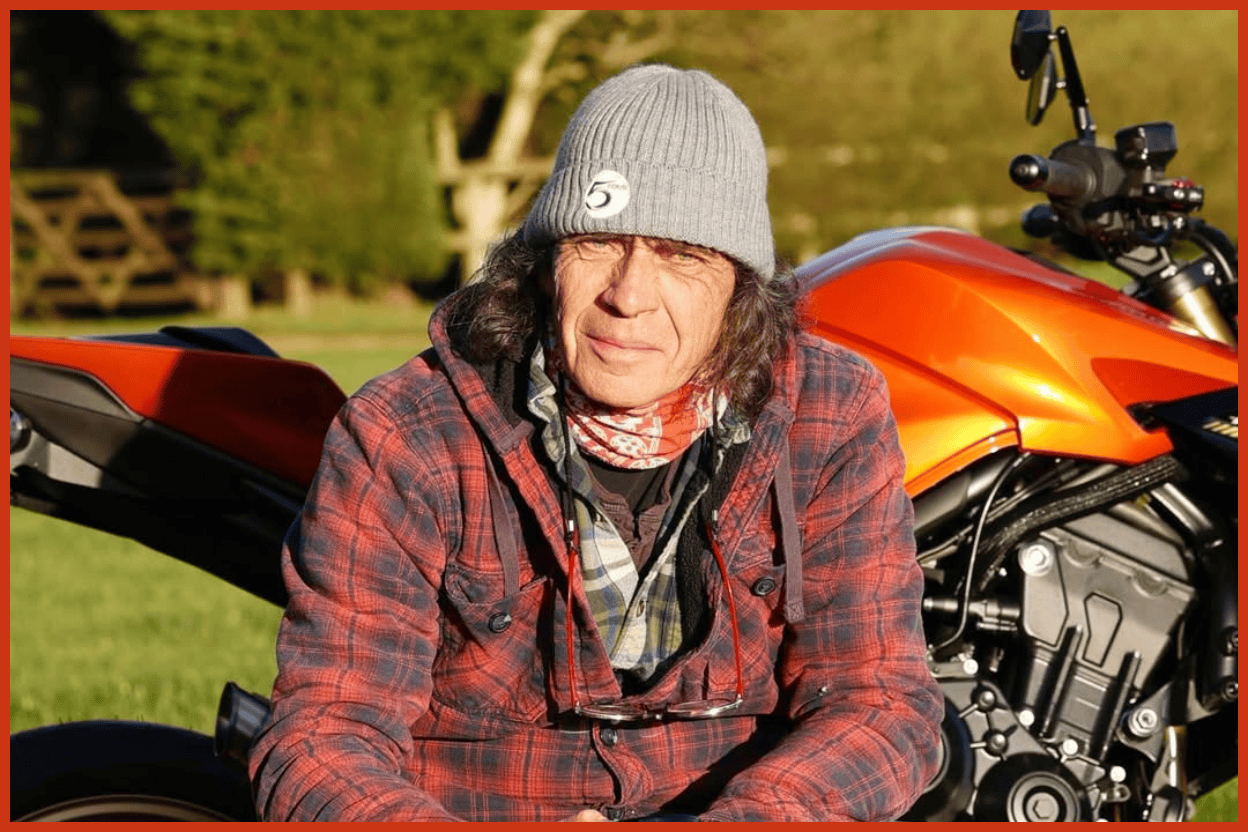
One of the most significant milestones in Guy Willison’s career has been his involvement with bespoke motorcycle manufacturing through his brand initiatives, particularly under the name 5Four Motorcycles. This venture allowed him to move beyond one-off custom builds and into limited-production design collaborations with established manufacturers.
Working on factory-backed custom projects gave Willison the opportunity to apply his design philosophy at scale. Instead of building single motorcycles for individual clients, he was now influencing production-level machines that would be sold to enthusiasts worldwide. This shift required a different kind of precision, where consistency, reliability, and manufacturability became just as important as creativity.
One of the standout elements of these projects is how they retain a handcrafted feel despite being produced in collaboration with major manufacturers. Willison’s influence is visible in subtle design cues, ergonomic refinements, and carefully chosen materials that elevate the final product without overwhelming its core identity.
These motorcycles are often limited editions, which adds a sense of exclusivity without relying on unnecessary extravagance. Instead, the appeal comes from thoughtful engineering and design integrity. Buyers are not just purchasing a motorcycle; they are investing in a philosophy of design that values substance over spectacle.
Collaboration, Creative Synergy, and Industry Relationships
Throughout his career, collaboration has played a central role in Guy Willison’s development as a designer and builder. His long-standing working relationship with Henry Cole is a prime example of how creative partnerships can shape output in meaningful ways. Their dynamic blends presentation, storytelling, and technical craftsmanship in a way that feels natural rather than forced.
Collaboration in motorcycle design is not always straightforward. It requires balancing different creative visions while maintaining engineering coherence. Willison’s ability to remain flexible without compromising his core principles has made him a valuable partner in these environments. He listens, adapts, and contributes without losing sight of the mechanical integrity of the build.
Beyond television partnerships, his work with manufacturers, fabricators, and fellow custom builders has expanded his understanding of different approaches to motorcycle design. Each collaboration introduces new techniques, materials, and perspectives that feed back into his own work.
These relationships also highlight an important aspect of his career: he is not isolated in his craft. Instead, he operates within a network of professionals who collectively push the boundaries of what custom motorcycles can be. This collaborative ecosystem is part of what keeps his work evolving rather than static.
Influence on Modern Custom Motorcycle Culture
Guy Willison’s influence on modern motorcycle culture extends beyond individual builds or television appearances. He represents a design philosophy that prioritizes authenticity, usability, and respect for mechanical heritage. In an industry often influenced by trends, his consistency stands out.
Many modern custom builders cite similar principles in their work today—clean design, functional modifications, and a focus on rideability over pure aesthetics. While not all of this can be attributed directly to him, his visibility and body of work have certainly contributed to shaping these values within the broader community.
He has also helped normalize the idea that custom motorcycles do not need to be extreme or impractical to be interesting. Subtlety, when executed correctly, can be just as impactful as radical transformation. This shift in perspective has influenced both amateur builders and professional workshops.
His work also reinforces the importance of craftsmanship in an increasingly digital and mass-produced world. Even as motorcycle manufacturing becomes more automated, there remains a strong appreciation for hand-built detail and mechanical artistry, something Willison consistently embodies.
Legacy, Ongoing Work, and Future Direction
As Guy Willison continues his work in motorcycle design and media, his legacy is already taking shape as one defined by integrity, craftsmanship, and quiet influence. He is not a figure who relies on constant reinvention or media spectacle. Instead, his career has been built steadily through consistent quality and thoughtful design decisions.
His ongoing projects continue to reflect the same principles that defined his early work. Whether collaborating on limited-edition motorcycles or contributing to media projects, he maintains a focus on meaningful engineering and authentic design. This consistency is one of the reasons his reputation remains strong within the industry.
Looking ahead, his influence is likely to persist through both his direct work and the designers he has inspired. Motorcycle culture continues to evolve, but the core values he represents—functionality, respect for machines, and balanced design—remain relevant regardless of trends.
In many ways, his legacy is less about individual motorcycles and more about a way of thinking. That mindset continues to shape how custom bikes are built and appreciated today.
FAQs
Who is Guy Willison?
He is a British motorcycle designer, builder, and television personality known for custom motorcycle projects and collaborative TV work.
What is 5Four Motorcycles?
It is a bespoke motorcycle project brand associated with limited-edition, factory-collaborated custom builds designed with a focus on performance and aesthetics.
What TV shows has Guy Willison appeared in?
He has appeared in motorcycle-focused programs such as those featuring restoration, travel, and custom builds alongside Henry Cole.
What is Guy Willison’s design style?
His style focuses on clean, functional design, balanced proportions, and motorcycles that are both visually refined and fully rideable.
Is Guy Willison still building motorcycles today?
Yes, he continues to work on motorcycle design, bespoke projects, and collaborative builds within the industry.
Also Read: Round Roast Recipe: A Complete Guide to a Juicy, Tender, Flavorful Roast