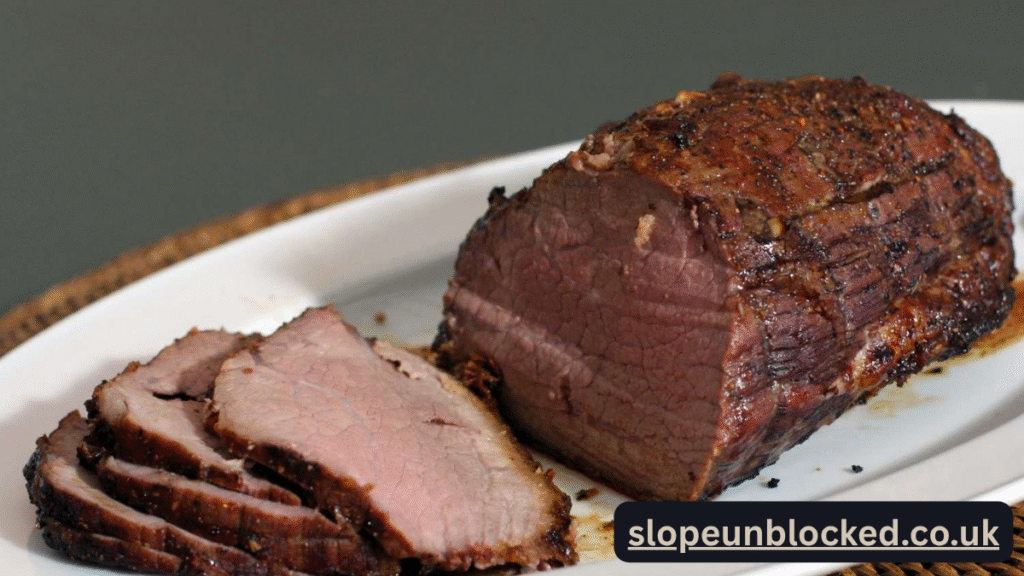
Understanding What Round Roast Actually Is
Round roast comes from the rear leg of the cow, an area that gets a lot of movement, which naturally makes the meat leaner and a bit tougher compared to premium cuts like ribeye or tenderloin. Because of this, it needs the right cooking method to bring out tenderness and flavor. When cooked properly, though, it becomes incredibly satisfying, sliceable, and perfect for family dinners or meal prep.
There are a few variations of round roast you’ll commonly find, such as top round, bottom round, and eye of round. Each one has slightly different textures and levels of tenderness, but they all share the same general characteristics: lean, beefy, and budget-friendly. That’s why this cut is often used for pot roast, deli-style roast beef, or classic oven-roasted dinners.
What makes round roast special is not just its affordability but also its versatility. It absorbs seasoning and marinades really well, which means you can easily adapt it to different cuisines. Whether you want a traditional herb-crusted roast or something more garlic-forward and bold, this cut can handle it with the right preparation.
Choosing the Best Cut for Your Round Roast Recipe
When selecting a round roast, freshness and color matter a lot. Look for meat that is deep red with minimal browning and a thin, even layer of fat. While round roast is naturally lean, a little marbling helps keep it moist during cooking. Avoid cuts that look too dry or have uneven texture.
Top round is usually the most tender of the three main types, making it a popular choice for oven roasting. Bottom round is slightly tougher but very flavorful, and it works beautifully when slow-cooked. Eye of round is the leanest and requires extra care, but it can still turn out delicious if sliced thin and cooked properly.
Another important factor is size. A good rule is to choose a roast that fits your cooking method comfortably. Smaller roasts cook more evenly, while larger ones are great for feeding a crowd but require more attention to temperature control. Always think ahead about how you plan to serve it, whether as a main dish or leftovers.
Essential Ingredients for a Perfect Round Roast
A classic round roast doesn’t need complicated ingredients. At its core, you’ll need a quality beef roast, salt, black pepper, garlic, and oil. These basics are enough to build a strong foundation of flavor. The simplicity is what allows the natural beef taste to shine.
To elevate your roast, fresh herbs like rosemary, thyme, and parsley work beautifully. Garlic cloves, either minced or whole, add depth and aroma. Some people also like adding onion powder or smoked paprika for a subtle boost of flavor. These small additions make a big difference in the final taste.
For moisture and richness, liquids like beef broth, Worcestershire sauce, or even a splash of red wine can be added during cooking. These help tenderize the meat and create a flavorful base for gravy later. When combined properly, these ingredients transform a simple roast into something restaurant-quality.
Preparing the Round Roast Before Cooking
Preparation is one of the most important steps in any round roast recipe. Start by taking the meat out of the refrigerator at least 30 to 60 minutes before cooking. This allows it to come closer to room temperature, which helps it cook more evenly throughout.
Patting the roast dry with paper towels is another crucial step. Removing surface moisture allows for better browning when searing. Without this step, the meat tends to steam instead of developing that rich crust that adds so much flavor.
Trimming excess fat or silver skin is optional but recommended. While some fat adds flavor, too much can lead to uneven cooking. Once trimmed, you’re ready to season generously, making sure every side is well-coated for maximum flavor penetration.
Seasoning Techniques That Bring Out the Best Flavor
Seasoning a round roast is all about balance. A generous amount of salt and pepper is essential, as it helps enhance the natural beef flavor. Don’t be shy with seasoning; large cuts of meat need more seasoning than you might expect.
A dry rub made with garlic powder, onion powder, and herbs can be applied for extra depth. Rubbing the seasoning into the meat helps it adhere better and ensures even flavor distribution. Letting it sit for a while before cooking allows the flavors to absorb more deeply.
Marinating is another option if you want a more intense flavor profile. A marinade with oil, acid (like vinegar or wine), and herbs can help tenderize the meat while adding complexity. Even a few hours of marinating can significantly improve the final result.
Searing the Roast for Maximum Flavor
Searing is a step many people skip, but it makes a huge difference in taste. By browning the surface of the meat in a hot pan, you create a caramelized crust that locks in flavor. This step adds depth and richness that can’t be achieved through oven roasting alone.
Use a heavy skillet or cast iron pan for best results. Heat oil until it’s shimmering, then carefully place the roast in the pan. Let it sear without moving it for a few minutes on each side until a golden-brown crust forms.
This process also enhances the aroma and visual appeal of the dish. Once seared, the roast is ready for the oven or slow cooking method of your choice. The combination of crust and tender interior is what makes a great round roast truly unforgettable.
Oven Roasting Method for Round Roast
Oven roasting is one of the most popular methods for cooking round roast. It allows for even heat distribution and gives you control over doneness. Preheating the oven is essential so the meat starts cooking immediately at the right temperature.
Place the roast in a roasting pan, preferably on a rack to allow airflow underneath. This helps prevent the bottom from becoming soggy. Adding vegetables like carrots, onions, and potatoes around the roast not only enhances flavor but also creates a complete meal in one pan.
Cooking at a moderate temperature, usually around 325°F (163°C), helps prevent the meat from drying out. Slow and steady cooking is key to achieving tenderness. Using a meat thermometer ensures accuracy and prevents overcooking.
Slow Cooker Round Roast Method
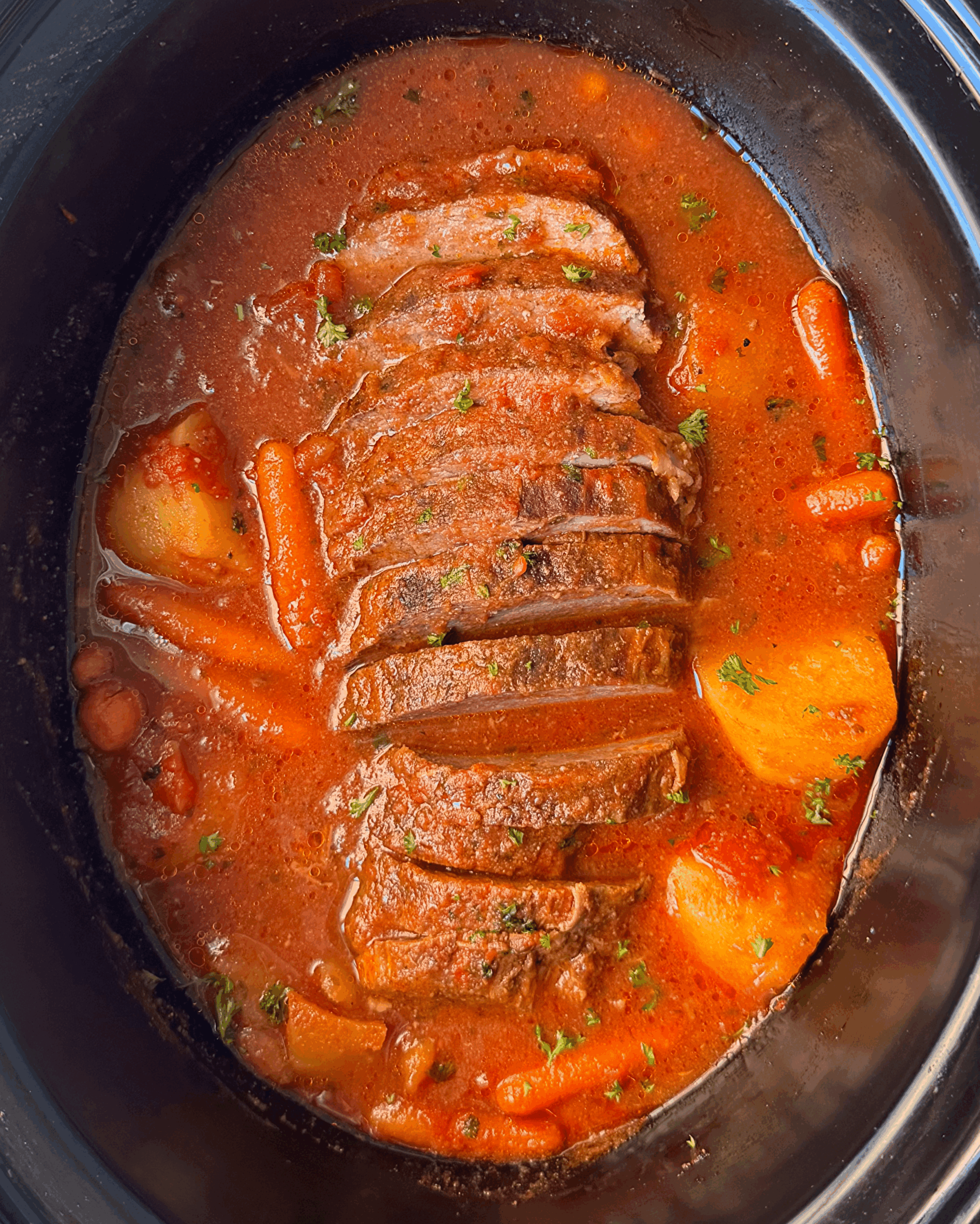
A slow cooker is perfect for turning round roast into a tender, melt-in-your-mouth meal. Because this cut is lean, slow cooking allows the connective tissues to break down gradually, resulting in juicy and flavorful meat.
Simply place the seasoned roast into the slow cooker along with broth, onions, garlic, and any vegetables you prefer. The liquid helps maintain moisture while infusing flavor throughout the cooking process.
Cooking on low for several hours is ideal. The long cooking time ensures the meat becomes fork-tender and easy to shred or slice. This method is especially convenient for busy days since it requires very little monitoring.
Instant Pot Round Roast Method
The Instant Pot is a great option when you want tender roast beef in a fraction of the time. Pressure cooking helps break down tough fibers quickly while keeping the meat juicy.
Start by using the sauté function to sear the roast directly in the pot. Then add broth, seasonings, and vegetables before sealing the lid. The pressure cooking process locks in flavor and moisture efficiently.
Once cooked, allow natural pressure release for best results. This step helps the meat relax and retain its juices. The result is a tender, flavorful roast that tastes like it has been cooking for hours.
Temperature Guide for Perfect Doneness
Knowing the correct internal temperature is essential for a successful round roast. For medium-rare, aim for around 130–135°F (54–57°C). Medium is around 140–145°F (60–63°C), while well-done reaches 150°F (65°C) or higher.
Because round roast is lean, many people prefer it closer to medium-rare or medium to avoid dryness. Using a meat thermometer is the most reliable way to check doneness without cutting into the meat too early.
Always remember that the temperature continues to rise slightly after removing the roast from heat. This is called carryover cooking, and it should be factored into your timing to avoid overcooking.
Resting the Roast Before Slicing
Resting is one of the most overlooked but important steps in cooking roast beef. After removing it from heat, let it rest for at least 15–20 minutes. This allows the juices to redistribute throughout the meat.
If you slice too early, the juices will run out, leaving the meat dry. Resting ensures each slice remains moist and flavorful. Covering the roast loosely with foil helps keep it warm during this time.
This step also improves texture. The fibers relax slightly, making the meat easier to slice and more enjoyable to eat. Patience here makes a noticeable difference in the final result.
Slicing Techniques for Best Texture
Slicing round roast correctly is just as important as cooking it properly. Always slice against the grain, which means cutting perpendicular to the direction of the muscle fibers. This shortens the fibers and makes the meat more tender.
Using a sharp carving knife ensures clean, even slices. Avoid using a serrated knife, as it can tear the meat and affect texture. Thin slices are generally preferred for round roast, especially if the cut is lean.
If you plan to use leftovers for sandwiches or salads, slicing even thinner can make the meat more versatile. Proper slicing enhances both presentation and eating experience.
Making Gravy from Roast Drippings
One of the best parts of cooking round roast is the flavorful drippings left behind. These can be transformed into a rich gravy that perfectly complements the meat.
Start by pouring the drippings into a pan and heating them gently. Add a bit of flour or cornstarch to thicken the mixture, stirring constantly to avoid lumps. Beef broth can be added to adjust consistency and flavor.
Seasoning the gravy with salt, pepper, and herbs enhances its depth. The result is a smooth, savory sauce that ties the entire dish together beautifully.
Side Dishes That Pair Perfectly with Round Roast
Round roast pairs well with a variety of classic side dishes. Mashed potatoes are a favorite because they soak up gravy perfectly. Roasted vegetables like carrots, Brussels sprouts, and green beans also complement the rich beef flavor.
For a lighter option, fresh salads or steamed vegetables balance the heaviness of the roast. Bread rolls or garlic bread are great for soaking up juices and adding texture to the meal.
Choosing sides depends on your preference, but the goal is to create balance on the plate. A mix of hearty and fresh elements usually works best.
Common Mistakes to Avoid
One common mistake is overcooking the roast, which leads to dryness. Because round roast is lean, it needs careful temperature monitoring. Using a thermometer prevents guesswork and ensures better results.
Another mistake is skipping the searing step. Without it, the roast may lack depth of flavor and color. Searing adds a layer of richness that significantly improves the final dish.
Not letting the meat rest is also a frequent error. Cutting too early causes juices to escape, resulting in a drier texture. Small adjustments like these can greatly improve your cooking outcome.
Variations of Round Roast Recipe
There are many ways to customize a round roast recipe. You can go for a garlic herb version with rosemary and thyme, or a spicy rub with paprika and chili powder. Each variation brings a unique flavor profile.
Some people prefer a classic pot roast style, where the meat is cooked slowly with vegetables and broth. Others enjoy a more modern approach with wine reductions and gourmet seasoning blends.
You can also experiment with international flavors, such as soy sauce-based marinades or Mediterranean herbs. Round roast is flexible enough to adapt to many cuisines.
Storing and Reheating Leftovers
Leftover round roast stores very well, making it ideal for meal prep. Store it in an airtight container in the refrigerator for up to 3–4 days. For longer storage, freezing is a great option.
When reheating, it’s best to use low heat to avoid drying out the meat. Adding a bit of broth or gravy helps restore moisture. Microwave reheating works too, but should be done gently.
Leftover roast can be used in sandwiches, salads, wraps, or even soups. Its versatility makes it a great ingredient beyond the initial meal.
Nutritional Value of Round Roast
Round roast is a lean source of protein, making it a healthy option for many diets. It contains essential nutrients like iron, zinc, and B vitamins, which support energy and overall health.
Because it is low in fat compared to other cuts, it is often chosen by people looking for lighter meat options. However, portion control and preparation method can affect overall nutrition.
When paired with vegetables and healthy sides, round roast becomes part of a balanced and satisfying meal.
Expert Tips for the Best Round Roast Every Time
One of the best tips is to always plan ahead. Since round roast benefits from slow and controlled cooking, rushing the process usually leads to less desirable results. Time and patience are key ingredients.
Another tip is to always use a meat thermometer instead of relying on time alone. Every oven and cut of meat behaves slightly differently, so temperature is the most reliable indicator.
Finally, don’t be afraid to experiment. Small changes in seasoning, cooking method, or resting time can dramatically improve your results and help you find your perfect version of the dish.
Conclusion
Round roast is one of those classic recipes that proves simple ingredients can create something truly impressive when handled correctly. From careful selection and seasoning to precise cooking and resting, every step plays a role in achieving a tender, flavorful result.
Whether you cook it in the oven, slow cooker, or Instant Pot, the key is patience and attention to detail. Once mastered, this dish becomes a reliable favorite for family dinners, gatherings, or meal prep.
FAQs
What is the best way to cook round roast so it stays tender?
Slow roasting at a moderate temperature with proper resting time keeps it tender and juicy.
Should I sear round roast before cooking?
Yes, searing adds flavor and improves texture by creating a rich crust.
How long should I cook round roast in the oven?
It depends on size, but generally 20–25 minutes per pound at 325°F works well.
Can I cook round roast in a slow cooker?
Yes, slow cooking is one of the best methods for achieving tenderness.
Why is my round roast tough?
It is likely overcooked or not sliced against the grain.
Also Read: Taiwan Rental Car Gharry: A Complete Travel Guide for Modern Road Explorers