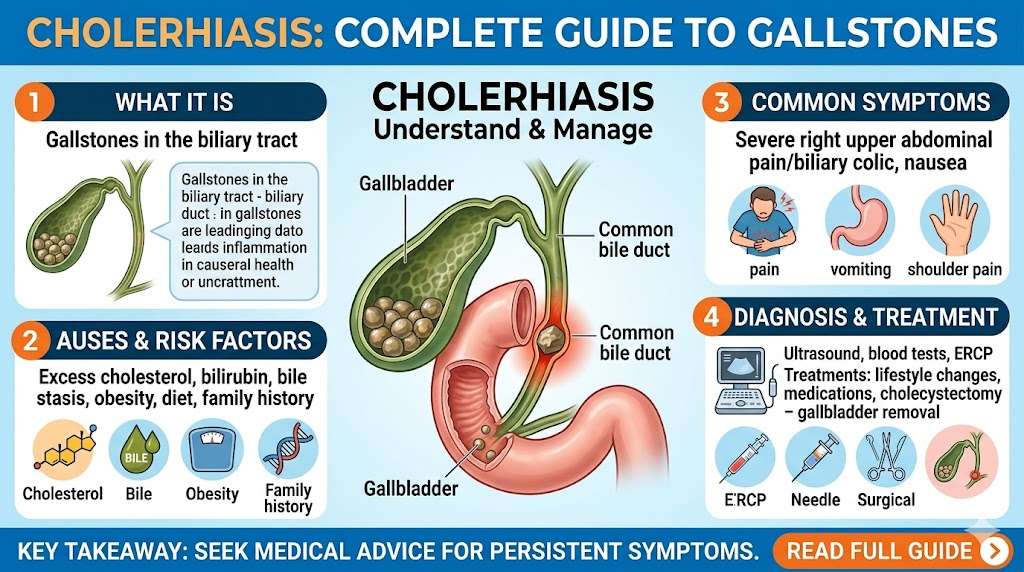
cholerhiasis
Cholerhiasis, commonly known as gallstones, is a prevalent medical condition where hardened deposits form in the gallbladder or bile ducts. These stones are often composed of cholesterol or bile pigments and can range from tiny grains to larger stones that may block the bile flow. While some individuals remain asymptomatic, others may experience sudden, intense pain. Understanding cholerhiasis is essential to detect early signs and prevent serious complications through timely medical intervention.
Many people with cholerhiasis are unaware of their condition until routine imaging tests or check-ups reveal gallstones. Despite being common, this condition can significantly impact daily life if left untreated. Early recognition and lifestyle changes, such as improving diet and exercise habits, can reduce the severity of symptoms. Consulting a healthcare professional promptly ensures proper management and lowers the risk of complications associated with cholerhiasis.
Causes of Cholerhiasis
The primary cause of cholerhiasis is an imbalance in the composition of bile. Excess cholesterol, bile salts, or bilirubin in the bile can lead to the formation of gallstones. Individuals with high-fat diets or low fibre intake are more susceptible. Medical conditions that affect bile production, rapid weight loss, and certain hormonal changes can also contribute to the development of cholerhiasis.
Other significant risk factors include age, gender, obesity, and pregnancy. Women are more likely to develop gallstones due to hormonal influences, particularly during pregnancy or hormone replacement therapy. Genetics can also play a role, making those with a family history of gallstones more vulnerable. Understanding these factors can help individuals take preventive measures and monitor their health more effectively to reduce the chances of developing cholerhiasis.
Symptoms and Warning Signs
Cholerhiasis often remains silent in its early stages, with many individuals experiencing no noticeable symptoms. When gallstones obstruct the bile ducts, however, symptoms can become severe and include sharp upper abdominal pain, bloating, nausea, vomiting, and indigestion. These episodes, often called biliary colic, typically occur after consuming fatty meals.
In addition to discomfort, untreated cholerhiasis can lead to serious complications. Inflammation of the gallbladder (cholecystitis), infection of the bile ducts (cholangitis), and pancreatitis are potential risks. Recognising early warning signs such as recurring pain or digestive disturbances is crucial. Immediate consultation with a medical professional can prevent progression and help manage cholerhiasis effectively.
Diagnosis of Cholerhiasis
Diagnosis of cholerhiasis primarily relies on imaging tests. Ultrasound is the most common method, allowing doctors to detect gallstones non-invasively. CT scans, MRI, and endoscopic procedures may be used in more complex cases. Blood tests can reveal infections or liver function abnormalities associated with gallstones.
Early and accurate diagnosis is essential to differentiate between asymptomatic and symptomatic cholerhiasis. Individuals with persistent abdominal pain, digestive issues, or a history of gallstones should seek regular check-ups. Timely identification allows healthcare professionals to determine the most suitable treatment plan and reduce the risk of complications associated with untreated cholerhiasis.
Treatment Options
Treatment for cholerhiasis depends on the severity of symptoms. Asymptomatic cases may require only monitoring and lifestyle adjustments, including dietary changes to reduce cholesterol intake. Medications that dissolve certain types of gallstones can be prescribed for selected patients, although this approach is less common.
Surgical intervention, particularly laparoscopic cholecystectomy, is the most effective treatment for symptomatic cholerhiasis. This minimally invasive procedure allows the removal of the gallbladder with faster recovery and minimal complications. Postoperative care, including pain management and dietary guidance, is crucial to ensure full recovery and prevent recurrence. Understanding these options helps patients make informed decisions regarding their health.
Preventing Cholerhiasis
Preventing cholerhiasis involves adopting healthy lifestyle habits and being aware of personal risk factors. Maintaining a balanced diet rich in fibre, fruits, and vegetables while limiting saturated fats can reduce the likelihood of gallstone formation. Regular physical activity and maintaining a healthy weight also play a key role in prevention.
Avoiding rapid weight loss, crash diets, and extreme fasting is essential, as sudden changes in cholesterol metabolism can increase the risk of developing cholerhiasis. Regular medical check-ups, particularly for those with a family history of gallstones, are recommended. Early preventive measures can significantly reduce the chances of developing cholerhiasis and associated complications.
Living with Cholerhiasis
Managing cholerhiasis requires both medical care and lifestyle adjustments. Patients who have undergone surgery should follow post-operative dietary recommendations and maintain a healthy routine to avoid future issues. Monitoring symptoms, managing pain, and scheduling regular follow-ups with healthcare providers are essential components of living with cholerhiasis.
Emotional and mental wellbeing is equally important, as digestive issues can impact quality of life. Support from dietitians, healthcare professionals, and patient communities can provide guidance and encouragement. Adopting a proactive approach to health helps individuals with cholerhiasis lead normal, comfortable lives while effectively managing their condition.
Conclusion
Cholerhiasis is a common but manageable condition that requires awareness, timely diagnosis, and appropriate treatment. Understanding its causes, recognising symptoms, and adopting preventive measures can significantly improve quality of life. Individuals with risk factors should remain vigilant and consult healthcare professionals when needed. Proactive management, including lifestyle changes and medical intervention, ensures better outcomes for those living with cholerhiasis.